Buffalo lawns, like Sir Walter DNA Certified, have become a top choice for Aussie backyards! They’re loved for being low-maintenance, shade-tolerant, and perfect for families with kids and pets. In this blog, we’ll share our expert tips to help you get the very best out of your buffalo lawn.
Skip to: How Often Should I Mow My Buffalo Lawn? Should I Fertilise My Buffalo Lawn? How Much Water Does a Buffalo Lawn Need? What Weed Killer Can I Use on a Buffalo Lawn? How Much Sunlight Does Buffalo Grass Need? Can I Renovate Buffalo Grass?
How Often Should I Mow My Buffalo Lawn?
Buffalo grass will generally grow at a moderate pace. Not quite as fast as a kikuyu or couch lawn, but not as slow as Sir Grange Zoysia.
Generally, buffalo grasses like to be mown between 20 – 60mm high. Usually over winter, keep the height of cut a bit higher and mow lower over the warmer months. Buffalo is generally best mown with a standard rotary mower; however, it can also be mown with a cylinder mower (if it has a higher height of cut setting).
When mowing, it is best always to ensure your mower’s blades are sharp and never remove more than one-third of the leaf with each cut.

Should I Fertilise My Buffalo Lawn?
Buffalo grasses like Sir Walter DNA generally like to have three fertiliser applications a year. Once in spring, summer and again in autumn is ideal for a balanced feed.
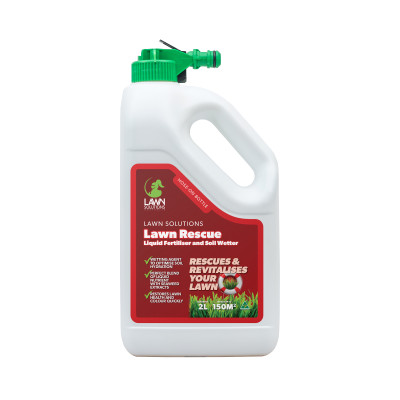
When choosing the best fertiliser for buffalo grass, we recommend using Lawn Solutions Premium Fertiliser. This fertiliser blend has been specifically developed for buffalo grasses like Sir Walter DNA Certified, containing a balanced NPK ratio. This fertiliser also had a fast and slow-release granule, giving the lawn a good up-front boost, while continuing to feed the lawn for up to 12 weeks.
How Much Water Does a Buffalo Lawn Need?
Once fully established, a buffalo lawn will only need watering on an as-needed basis. In most regions, rainfall will be able to cover your lawns’ watering needs.
Buffalo grasses can show us some signs that they need water. These signs include:
- Leaf curling up on itself
- Dry or brown leaf
- Wilted leaves
If you do need to irrigate your lawn, we recommend watering your lawn for longer, less frequently. By watering your lawn this way, you will help encourage your grass to become more drought-tolerant by encouraging the roots to grow deeper down into the soil base. We recommend watering your lawn in the morning, before the heat of the day, for around 20-30 mins. Avoid late afternoon and night waterings as this will cause your lawn to sit damp overnight, which can lead to fungal issues.
What Weed Killer Can I Use on a Buffalo Lawn?
When using weed killers on a buffalo lawn, such as Sir Walter DNA Certified, it’s essential to read the herbicide label before use to ensure compatibility with buffalo grasses.
The main herbicides that are not safe for use on buffalo lawns will usually contain Dicamba or DSMA as the active ingredients. These weed killers are commonly found in weed n feed products and herbicides designed to remove summer grass.
If you want to remove broadleaf weeds like Clover or Bindii from your buffalo lawn, we recommend using a broadleaf herbicide like our All Purpose Weed Control and Estate Herbicide.
If you are unsure of the weed that you want to remove from your lawn, please check out our Ultimate Weed Guide for further information.
How Much Sunlight Does Buffalo Grass Need?
Buffalo grasses will generally have a good shade tolerance compared to other turf types, needing a minimum of three to four hours of direct sunlight per day. This makes it the ideal choice for many homes that need shade-tolerant options.
Can I Renovate Buffalo Grass?
Buffalo grasses can be renovated, but there are a few precautions that you will need to take to ensure that you don’t cause more damage than good.
As buffalo grass grows by its above-ground runners, it doesn’t have an underground rhizome like couch and kikuyu grasses to repair from. This means that when scarifying and dethatching, you need to ensure you don’t remove all the above-ground material.
Please check out our blog on How to Renovate Buffalo Grass for more information.
For more lawn care tips and advice, make sure you check out our other lawn care blogs.