Has recent extreme weather left your lawn looking worse for wear? Wondering how to help it bounce back before the cooler months arrive? In this blog, we take a look at how extreme conditions can impact your lawn and share some practical tips to help it recover.
Skip to: How to Help Your Lawn in Hot and Humid Weather? How To Help Your Lawn in Hot and Dry Weather? How To Help Your Lawn in Wet Weather?
How To Help Your Lawn in Hot and Humid Weather?
Hot and humid weather can create some challenging conditions for your lawn, including increased disease pressure, heat stress, reduced evaporation, and rapid growth. However, there are a few simple management practices you can follow to help your lawn cope during these conditions.
How Should I Water My Lawn?
Water your lawn in the morning before the heat of the day. Avoid watering in the late afternoon or evening, as this can leave the lawn sitting damp overnight and create ideal conditions for disease to develop.

How Often Should I Mow My Lawn?
Although it is best to avoid mowing when the lawn is wet, it is still important to mow regularly when possible. If there is a break in the weather and the grass has had a chance to dry out, even later in the day when there has been no rainfall, take the opportunity to give the lawn a mow and keep on top of its growth.
How Can I Stop Soil Compaction?
When soil remains damp and foot traffic continues, compaction can occur much more quickly. If your lawn is struggling or certain areas are experiencing drainage issues, aerating the soil can help relieve compaction and improve soil structure. This can also assist the lawn in drying out more efficiently.
How To Help Your Lawn in Hot and Dry Weather?
When the weather turns hot and dry, lawns can quickly become stressed. Common issues that may occur under these conditions include heat stress, dry patches, and hydrophobic soils. Here are some tips to help your lawn cope during periods of hot and dry weather.
Should I Apply A Wetting Agent To My Lawn?
Wetting agents like Lawn Soaker help the soil absorb water more effectively. This will help moisture to move down into the soil profile where the grass roots need it most. This helps your lawn make better use of available water and reduces the risk of heat stress.
If water is still struggling to soak into the soil, aerating the lawn can help improve penetration and further assist with water absorption.
When should I water my lawn?
Using the right watering practices is key to helping your lawn manage hot conditions. Rather than watering lightly and frequently, it’s better to water for a longer period but less often. This encourages deeper root growth and helps the lawn access moisture further down in the soil.
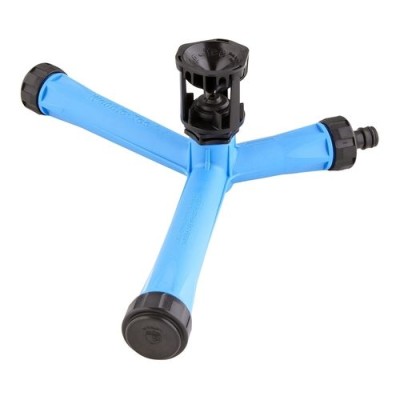
Always aim to water in the morning before the heat of the day, using a sprinkler that provides even coverage across the lawn. We have some further tips on correct watering practices here.
How To Help Your Lawn in Wet Weather?
During periods of wet weather, lawns can remain damp for extended periods, which may lead to a range of issues. Some common problems associated with prolonged wet conditions include waterlogged soil, drainage issues, and increased disease pressure.
How Can I Improve the Drainage on My Lawn?
If drainage has been an issue during wet weather in the past, improving your lawn’s drainage can help the grass dry out more quickly and reduce the risk of damage.
For minor drainage problems, there are some steps you may be able to take yourself to help improve water movement through the soil. We have some further tips on how to do this here. However, in more severe cases, it is best to consult with a drainage professional to determine the most suitable solution for your area.
Can I Mow After Rainfall?
After periods of prolonged rainfall, it’s best to wait until the lawn has had a chance to dry before mowing. Mowing wet grass can lead to uneven cuts and may place additional stress on the lawn.
If the grass has grown taller than usual while waiting for the lawn to dry, consider raising your mowing height for the first cut. You can then gradually lower it back to your usual mowing height over the next few mows. We have some further tips on mowing a wet lawn here.
For more lawn care tips and advice, make sure you check out our other lawn care blogs here.